Son güncelleme:
AI SCORE
/ 100
Sony Alpha a7 III (2023) is a budget-friendly option in cameras, scoring 38/100 on our AI engine. It features a 3" display and backed by a 2280 mAh battery. Priced around $680, it competes in the upper-mid tier.
Battery capacity
2,280 mAh vs avg 1,224 mAh
Price
$680 vs avg $929
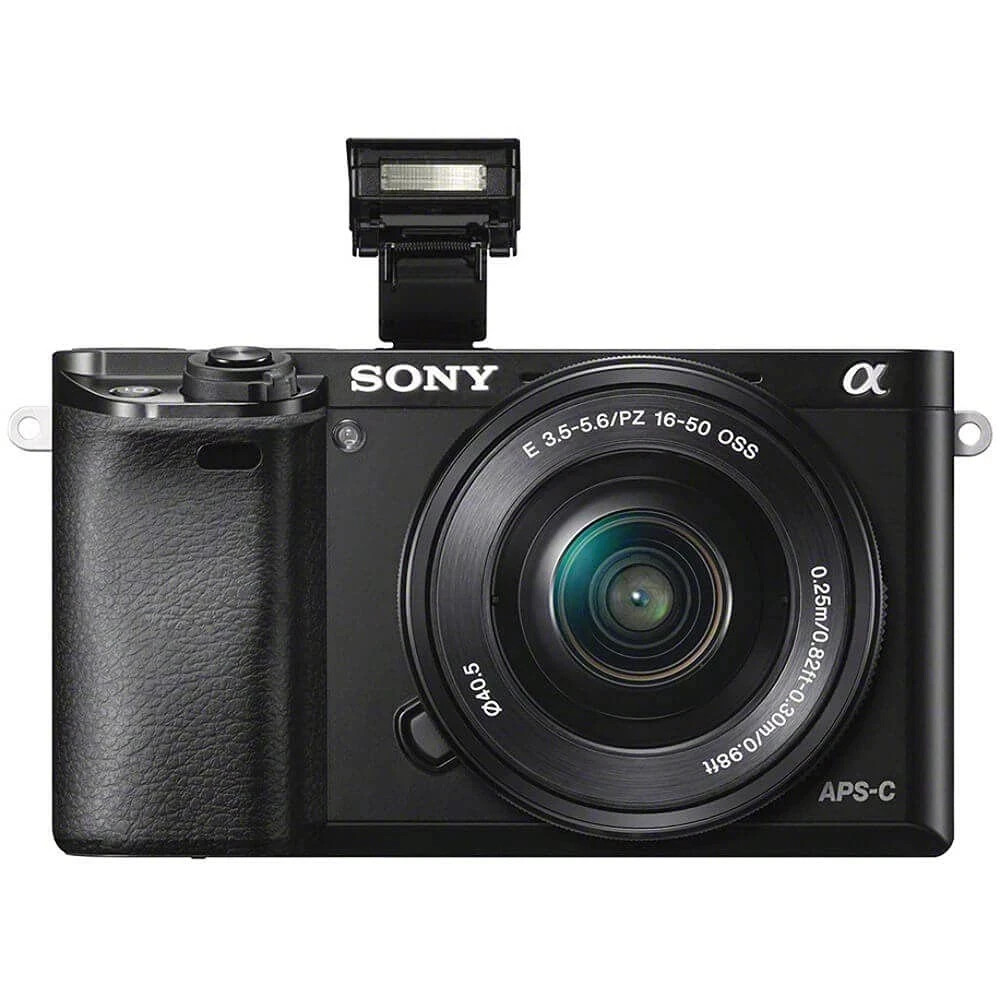
The Sony Alpha a7 III Mirrorless Digital Camera is a versatile option for both budding photographers and seasoned professionals. Released in 2026, this sleek black camera body boasts a compact design that is both lightweight and durable, making it easy to carry for extended shoots. The ergonomic grip ensures comfort during long photography sessions, while the intuitive button layout allows for quick adjustments on the go.
amazon
from $680
ebay
from $680
Prices may vary · We may earn a commission. Learn more
Puan Dağılımı
Performance-wise, the a7 III features a 24.2 MP full-frame Exmor R CMOS sensor paired with the BIONZ X image processor, delivering impressive image quality and low-light performance. With a continuous shooting speed of up to 10 frames per second, this camera is perfect for capturing fast-moving subjects. The 693-point autofocus system provides fast and accurate focusing, while the 5-axis in-body image stabilization helps to reduce camera shake, ensuring sharp images even in challenging conditions.
Key features include a 3-inch tilting touchscreen LCD, dual SD card slots for expanded storage, and 4K video recording capabilities. While the overall score of 3.7/10 suggests some limitations, the a7 III remains a solid choice for those seeking a reliable mirrorless camera with essential features for creative expression.
The Sony Alpha a7 III is ideal for serious photographers and videographers seeking high-quality performance in a compact body. It's perfect for professionals in fields like wedding photography, portraiture, and travel, who need versatility and superior image quality. However, with a price rating of 7.8/10, it may not suit budget-conscious students or casual users. Additionally, its performance and battery ratings suggest that while it excels in image quality, users should be prepared for potential limitations in fast-paced shooting scenarios and extended use.
AI-generated expert assessment · Updated 2026
The Sony Alpha a7 III is a mid-range camera that earns a VersusMatrix overall score of 38/100, placing it in the entry-tier tier of the cameras category for 2026. Priced around $679.85, it competes most directly with other mid-range cameras where buyers weigh raw specifications against everyday usability.
Where the Sony Alpha a7 III stands out most clearly is value for money (86/100) and design and build (81/100). On paper it ships with a 2,280mAh battery, a 24.2MP main camera — the kind of hardware combination that defines its tier. In daily use these strengths translate to a camera that holds up well under the workloads buyers in this price band typically demand.
The trade-offs sit primarily in performance (10/100) and camera (67/100). Buyers for whom those dimensions are deal-breakers should compare against pricier alternatives in the leaderboard — but for the majority of buyers in this price band, the trade-off is acceptable given the strengths above.
The Sony Alpha a7 III is worth considering for buyers shopping the $577-$782 camera market. For a head-to-head against the closest alternatives, browse the cameras leaderboard and use the on-site comparison tool — the Sony Alpha a7 III is included in the default ranking when sorted by overall score.
First-time buyers in this category
Sony Alpha a7 III represents a solid entry to the Sony ecosystem and the broader category — straightforward setup, well-documented support, established user community.
Is the Sony Alpha a7 III a good choice for first-time buyers in this category?
Yes, it's a solid fit. Sony Alpha a7 III represents a solid entry to the Sony ecosystem and the broader category — straightforward setup, well-documented support, established user community.
Who is the Sony Alpha a7 III best suited for?
Based on its specs and scoring, the Sony Alpha a7 III is best suited for: First-time buyers in this category. See the use-case breakdown on this page for the reasoning behind each.
Reviewed by VersusMatrix Editorial Team
Last updated: May 10, 2026
Methodology: AI-powered analysis of technical specifications from manufacturer data. Scores are calculated by comparing products across multiple dimensions and normalized relative to the full category database. Our editorial process is independent and not influenced by affiliate partnerships.
Have you used the Sony Alpha a7 III?
Share your experience to help others make better decisions.
The Sony Alpha a7 III Mirrorless Digital Camera is a versatile option for both budding photographers and seasoned professionals. Released in 2026, this sleek black camera body boasts a compact design that is both lightweight and durable, making it easy to carry for extended shoots. The ergonomic gri...
The Sony Alpha a7 III is equipped with a 2280 mAh battery.
The Sony Alpha a7 III features a 24.2MP main camera.
The Sony Alpha a7 III has a 3" display (Touchscreen).
The Sony Alpha a7 III is priced at approximately $680. Check the buy links above for current prices from retailers.
The Sony Alpha a7 III is ideal for serious photographers and videographers seeking high-quality performance in a compact body. It's perfect for professionals in fields like wedding photography, portraiture, and travel, who need versatility and superior image quality. However, with a price rating of 7.8/10, it may not suit budget-conscious students or casual users. Additionally, its performance and battery ratings suggest that while it excels in image quality, users should be prepared for potential limitations in fast-paced shooting scenarios and extended use.
Yes, it's a solid fit. Sony Alpha a7 III represents a solid entry to the Sony ecosystem and the broader category — straightforward setup, well-documented support, established user community.
Based on its specs and scoring, the Sony Alpha a7 III is best suited for: First-time buyers in this category. See the use-case breakdown on this page for the reasoning behind each.