Son güncelleme:
AI SCORE
/ 100
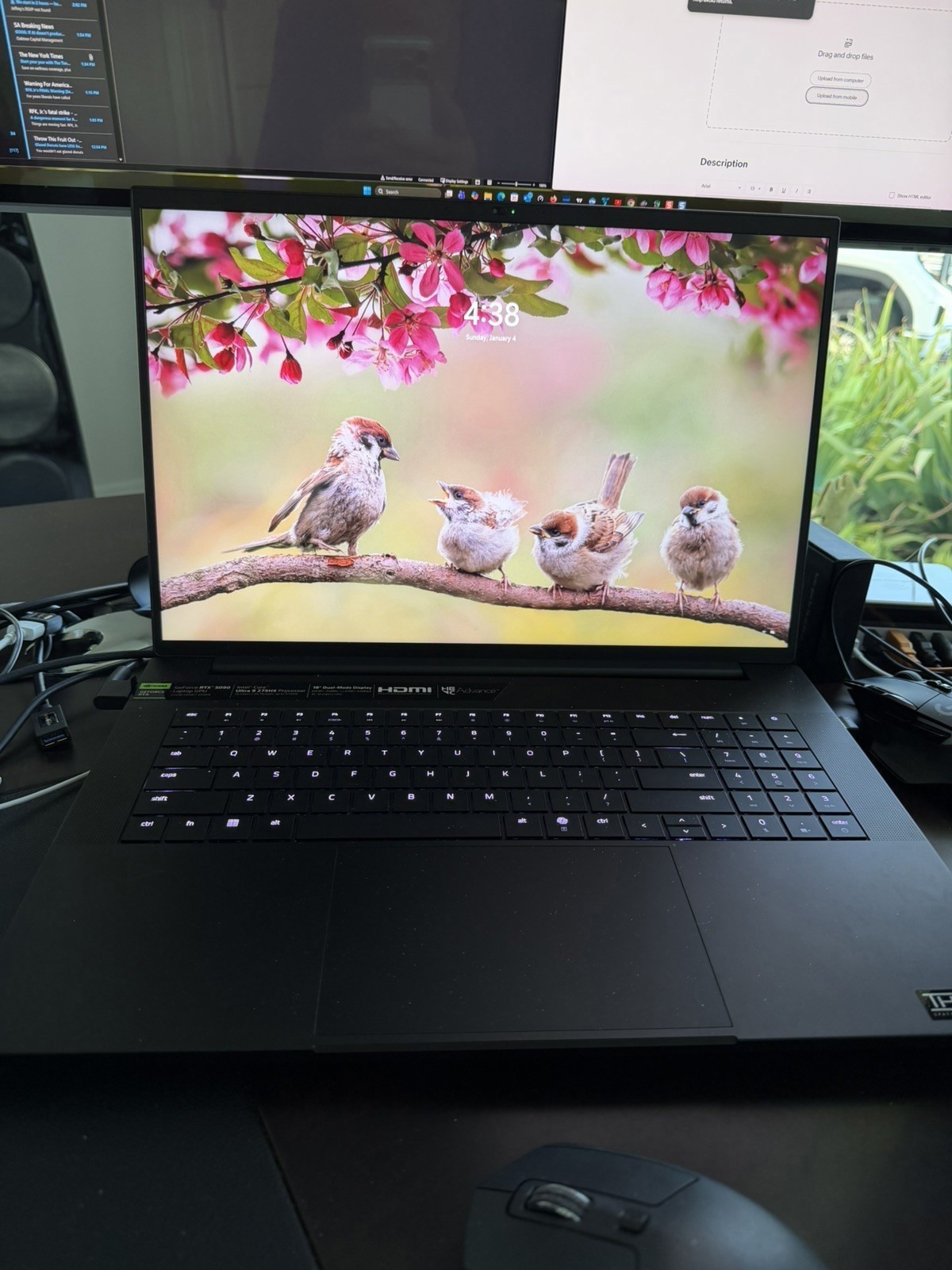
Razer Blade 15 (2023) is a budget-friendly option in laptops, scoring 31/100 on our AI engine. It powered by the Intel Core i7-13800H, paired with NVIDIA GeForce RTX 4060 and features a 15.6" display at 144Hz. Priced around $1,999, it competes in the flagship tier.
Refresh rate
144 Hz vs avg 77 Hz
The Razer Blade 15 (2023) is a powerful gaming laptop designed for high-performance gaming and multitasking. It features an Intel Core i7-13800H processor and an NVIDIA GeForce RTX 4060 GPU, ensuring smooth graphics and fast processing speeds. The laptop comes with a 15.6-inch IPS display with a 144Hz refresh rate, providing a responsive visual experience. With 16GB of RAM and 1TB of storage, it offers ample memory and space for games and applications. Weighing 2.1 kg and equipped with a robust 230W charging capability, it combines portability with performance. This laptop is ideal for gamers and professionals who demand high-end specifications in a sleek design.
Puan Dağılımı
The Razer Blade 15 (2023) is tailored for gamers and creative professionals who require a powerful machine for demanding applications and gaming sessions. With a price point of $1999, it fits within the premium budget tier, making it suitable for those who prioritize performance and aesthetics. It is best for users in the Windows ecosystem who appreciate the benefits of high refresh rate displays and advanced graphics capabilities. However, those on a tighter budget or looking for a lightweight option may want to explore alternatives. For those ready to invest in a high-performance laptop, the Razer Blade 15 is a compelling choice.
AI-generated expert assessment · Updated 2026
The Razer Blade is a flagship laptop that earns a VersusMatrix overall score of 31/100, placing it in the entry-tier tier of the laptops category for 2026. Priced around $1,999, it competes most directly with other flagship laptops where buyers weigh raw specifications against everyday usability.
Where the Razer Blade stands out most clearly is display (47/100) and design and build (43/100). On paper it ships with a 8h battery, 16GB of RAM, 1024GB of storage — the kind of hardware combination that defines its tier. In daily use these strengths translate to a laptop that holds up well under the workloads buyers in this price band typically demand.
The trade-offs sit primarily in value for money (22/100) and performance (23/100). Buyers for whom those dimensions are deal-breakers should compare against pricier alternatives in the leaderboard — but for the majority of buyers in this price band, the trade-off is acceptable given the strengths above.
The Razer Blade is worth considering for buyers shopping the $1,699-$2,299 laptop market. For a head-to-head against the closest alternatives, browse the laptops leaderboard and use the on-site comparison tool — the Razer Blade is included in the default ranking when sorted by overall score.
Content creators
With 16GB RAM and 1024GB storage, Razer Blade 15 handles 4K video editing, photo libraries, and creative apps without bottlenecking.
Professional users
Premium build and performance suited for software development, data analysis, 3D modeling, or anything compute-heavy. Pay-once, last-5-years tier.
Is the Razer Blade 15 a good choice for content creators?
Yes, it's a solid fit. With 16GB RAM and 1024GB storage, Razer Blade 15 handles 4K video editing, photo libraries, and creative apps without bottlenecking.
Is the Razer Blade 15 a good choice for professional users?
Yes — it's an excellent fit. Premium build and performance suited for software development, data analysis, 3D modeling, or anything compute-heavy. Pay-once, last-5-years tier.
Who is the Razer Blade 15 best suited for?
Based on its specs and scoring, the Razer Blade 15 is best suited for: Content creators, Professional users. See the use-case breakdown on this page for the reasoning behind each.
Reviewed by VersusMatrix Editorial Team
Last updated: May 10, 2026
Methodology: AI-powered analysis of technical specifications from manufacturer data. Scores are calculated by comparing products across multiple dimensions and normalized relative to the full category database. Our editorial process is independent and not influenced by affiliate partnerships.
Have you used the Razer Blade 15?
Share your experience to help others make better decisions.
The Razer Blade 15 (2023) is a powerful gaming laptop designed for high-performance gaming and multitasking. It features an Intel Core i7-13800H processor and an NVIDIA GeForce RTX 4060 GPU, ensuring smooth graphics and fast processing speeds. The laptop comes with a 15.6-inch IPS display with a 144...
The Razer Blade 15 offers up to 8 hours of battery life, with 230W charging.
The Razer Blade 15 has a 15.6" display (IPS) with a 144Hz refresh rate.
The Razer Blade 15 has 16GB of RAM and is powered by the Intel Core i7-13800H chipset, with 1024GB of storage.
The Razer Blade 15 is priced at approximately $1999. Check the buy links above for current prices from retailers.
The Razer Blade 15 (2023) is tailored for gamers and creative professionals who require a powerful machine for demanding applications and gaming sessions. With a price point of $1999, it fits within the premium budget tier, making it suitable for those who prioritize performance and aesthetics. It is best for users in the Windows ecosystem who appreciate the benefits of high refresh rate displays and advanced graphics capabilities. However, those on a tighter budget or looking for a lightweight option may want to explore alternatives. For those ready to invest in a high-performance laptop, the Razer Blade 15 is a compelling choice.
Yes, it's a solid fit. With 16GB RAM and 1024GB storage, Razer Blade 15 handles 4K video editing, photo libraries, and creative apps without bottlenecking.
Yes — it's an excellent fit. Premium build and performance suited for software development, data analysis, 3D modeling, or anything compute-heavy. Pay-once, last-5-years tier.
Based on its specs and scoring, the Razer Blade 15 is best suited for: Content creators, Professional users. See the use-case breakdown on this page for the reasoning behind each.