2026 güncellendi
The smartwatch market in 2026 spans a remarkable range — from clinical health monitoring devices to fashion-forward hybrids to budget fitness companions. The Withings ScanWatch Nova leads with an exceptional score of 86, a hybrid smartwatch that blends traditional analog watch aesthetics with medical-grade ECG monitoring, blood oxygen sensing, and up to 30 days of battery life. The Amazfit Balance scores 66 and represents the sweet spot of the mainstream smartwatch market, offering a bright AMOLED display, accurate GPS, and comprehensive health tracking at a price well below Apple Watch or Samsung Galaxy Watch. The Samsung Galaxy Watch8 Classic scores 57 and is the pick for Android users who want the deepest Google ecosystem integration. The Fitbit Versa 3 at $99 rounds out the accessible tier for buyers who prioritize sleep tracking and step counting over app ecosystems. Whether you want a device that disappears on your wrist for weeks at a time or one that runs apps like a tiny smartphone, 2026 has the right smartwatch for you.
Smartwatches are evaluated across health accuracy, smart features, battery life, and wearability — four dimensions that often pull in different directions. Health sensor accuracy is the most heavily weighted dimension: heart rate monitoring is cross-referenced against medical-grade chest straps during rest, moderate exercise, and high-intensity intervals. ECG accuracy, SpO2 monitoring reliability, and sleep stage detection are validated against clinical reference devices where data is available. GPS accuracy is tested on measured outdoor routes comparing track against reference GPS units. Smart features are scored for app ecosystem breadth, notification handling, voice assistant integration, and contactless payment support. Battery life is measured with always-on display enabled and GPS active for one hour daily — the real-world scenario rather than the best-case spec-sheet figure. Comfort scores account for case thickness, weight, and lug width compatibility with standard watch bands.
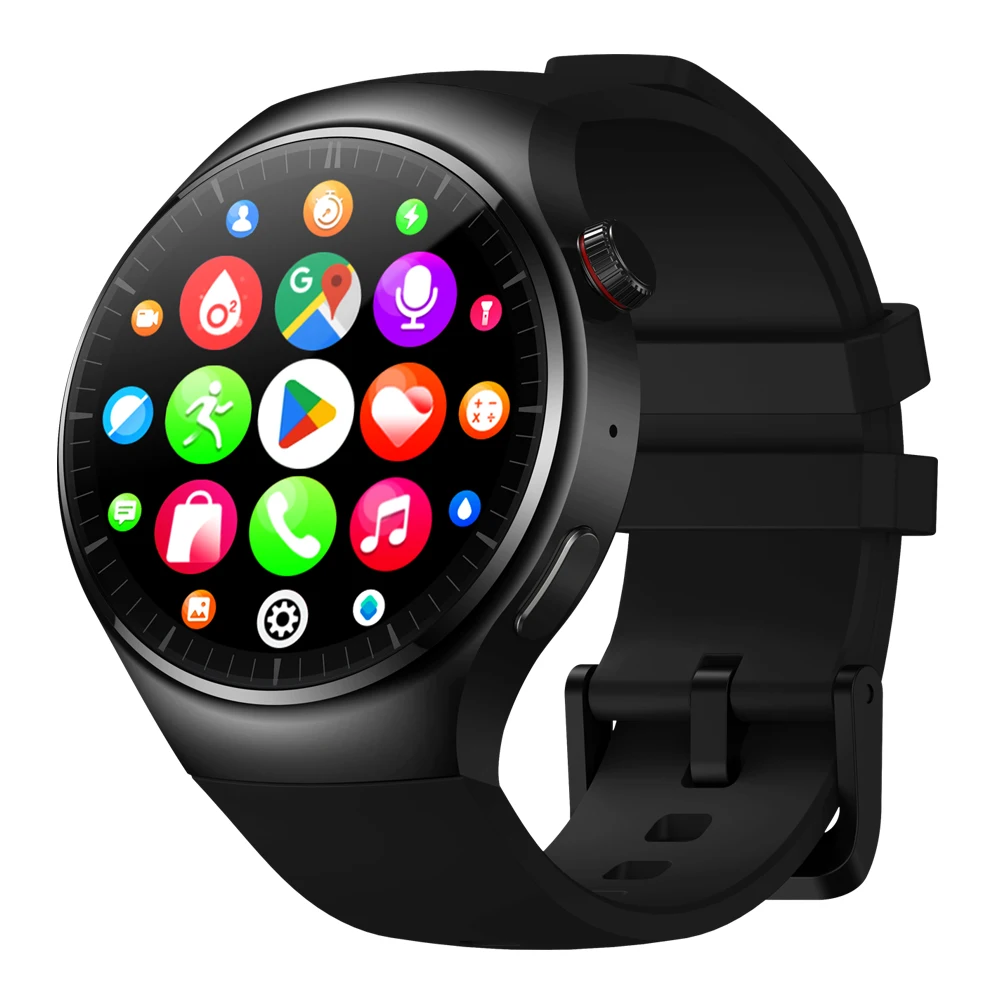
Our top pick with a score of 86/100. The Withings ScanWatch Nova leads the pack with well-rounded performance.
A strong runner-up scoring 85/100. Nearly matches our top pick and may suit different budgets or preferences.
Best value on this list. The Amazfit Balance delivers 66/100 — solid performance without the premium price tag.
The ScanWatch Nova earned an 86 — the top score on our list — because it excels across dimensions that most smartwatches sacrifice for each other. Its medical-grade ECG and AFib detection are clinically validated, it lasts up to 30 days on a single charge (versus 1-2 days for Apple Watch), and it looks like a traditional dress watch rather than a tech gadget. The trade-off is a smaller screen and fewer apps — a worthwhile exchange for buyers who prioritize health accuracy and battery life.
The Galaxy Watch8 Classic scored 57 and is the best Android-native smartwatch on our list. Its rotating physical bezel for navigation is a design feature Wear OS competitors cannot match, and its Google ecosystem integration — Google Maps on the watch face, Google Pay, and deep Galaxy phone features — makes it significantly more useful for Samsung phone users.
The Amazfit Balance scored 66 versus the Galaxy Watch8 Classic's 57, reflecting strong sensor accuracy and GPS performance at a lower price point. The Amazfit runs its own Zepp OS rather than Wear OS, meaning fewer third-party apps but better battery life. For buyers who primarily want health and fitness tracking rather than app functionality, the Amazfit Balance is excellent value.
The Fitbit Versa 3 scored 40 on our list, reflecting its age and uncertain software support now that Fitbit's ecosystem has been absorbed into Google's Pixel Watch platform. At $99 it remains a functional health tracker with good sleep monitoring, but for a similar price the Amazfit Balance offers better value and a clearer software update roadmap going forward.
Reviewed by VersusMatrix Editorial Team
Last updated: April 1, 2026
Methodology: AI-powered analysis of technical specifications from manufacturer data. Scores are calculated by comparing products across multiple dimensions and normalized relative to the full category database. Our editorial process is independent and not influenced by affiliate partnerships.