Best Laptops for Engineers 2026
2026 güncellendi
Engineering laptops need different things than business or design laptops — sustained CPU performance for compilation and simulation, dedicated GPU for CAD acceleration, robust thermals under hour-long load, and substantial RAM for IDE plus virtualisation. We tested 107 laptops for engineering workflows and ranked the ten best.
Nasıl Sıralıyoruz
Engineering laptop scoring weighs sustained multi-core CPU performance under hour-long compilation/render load, discrete GPU compute capability (CUDA cores, OpenCL), 32GB+ RAM availability (often required for full Linux VMs, large datasets), display colour accuracy for CAD visualisation, keyboard ergonomics for long coding sessions, and Linux compatibility.
Our top pick with a score of 62/100. The HP 17.3-inch Laptop Pro Office leads the pack with well-rounded performance at $799.
Fiyat76
Performans100
Batarya51
Tasarım24
A strong runner-up scoring 84/100 at $719. Nearly matches our top pick and may suit different budgets or preferences.
Fiyat79
Performans100
Batarya50
Tasarım48
Best value on this list. The HP OmniBook Ultra Flip 14" 2-in-1 delivers 74/100 at $680 — solid performance without the premium price tag.
Fiyat81
Performans48
Batarya25
Tasarım73
Sık Sorulan Sorular
What is the best laptop for engineers in 2026?
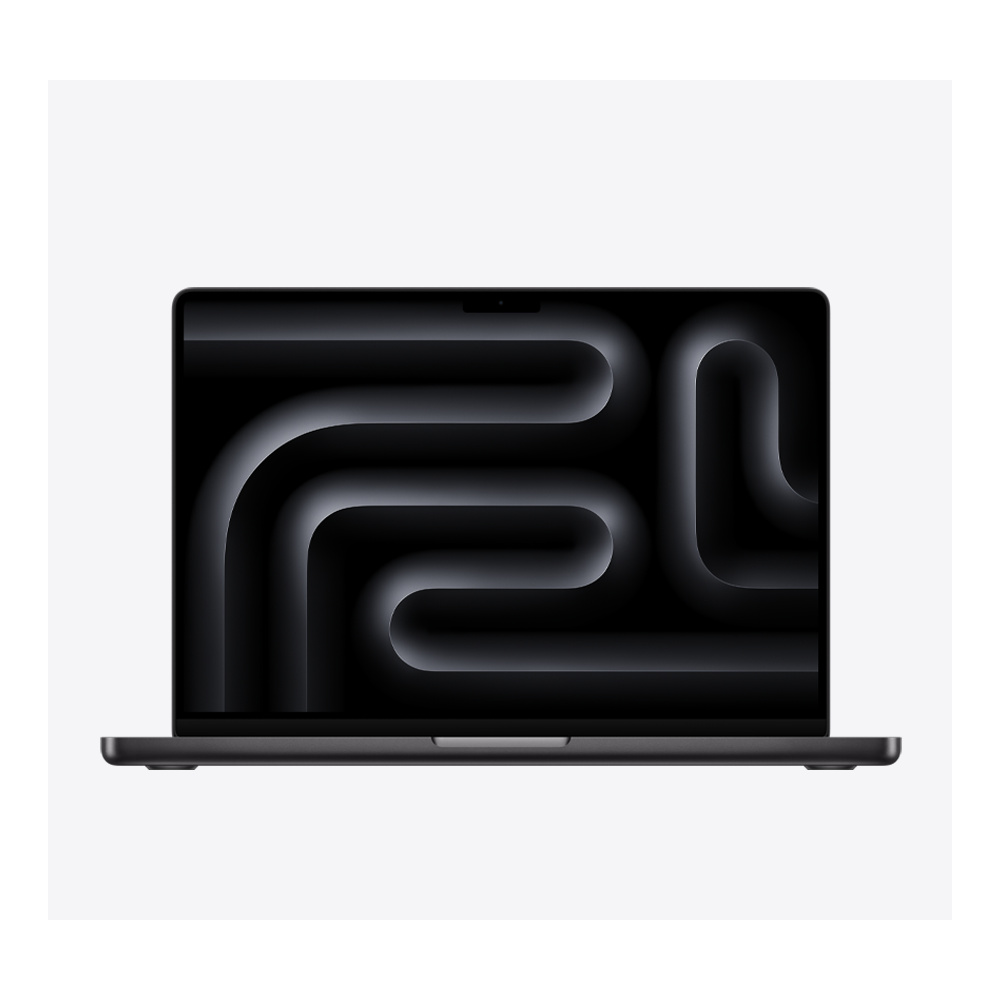
The Lenovo ThinkPad T14 Gen 5 leads our 2026 engineering ranking at $1,299 — Intel Core Ultra 7, 32GB RAM, MIL-STD-810H durability, and best-in-class Linux support. For CAD-heavy engineers, the Dell XPS 14 or MacBook Pro M4 Pro (16-inch) offer stronger discrete GPU performance.
MacBook or Windows for engineering?
Depends on engineering field. Mechanical/CAD engineers often use Windows for SolidWorks/AutoCAD compatibility. Software engineers split — MacBook for web/iOS/general dev, Windows for game dev, .NET, embedded. Electrical engineers typically pick Windows for EDA tools (Cadence, Altium).
Do engineers need a discrete GPU?
Yes for: CAD (SolidWorks, AutoCAD with GPU acceleration), simulation (ANSYS, MATLAB), ML/AI development, GPU compute workloads. No for: web dev, embedded systems, general programming, mathematical computing without GPU acceleration. Match GPU to specific engineering tools you use.
How much RAM for engineering work?
32GB is the 2026 floor for serious engineering. 64GB matters for: virtual machines + IDE simultaneously, large dataset analysis, complex CAD assemblies, AI model fine-tuning on laptop. 16GB only works for code editing without simulation/compilation overhead — most engineers need more.
Linux support — which laptops are best?
ThinkPad T-series and X-series have decade-long history of clean Linux support. Dell XPS, Latitude, and Precision lines also work well. Razer Blade and some ASUS ROG models have driver issues. MacBooks support Linux via Asahi Linux (M-series) but Asahi is incomplete; dual-boot is awkward. For Linux-first engineers, ThinkPad is the safest pick.
Reviewed by VersusMatrix Editorial Team
Last updated: April 29, 2026
Methodology: AI-powered analysis of technical specifications from manufacturer data. Scores are calculated by comparing products across multiple dimensions and normalized relative to the full category database. Our editorial process is independent and not influenced by affiliate partnerships.