Best Drones for Photography 2026
2026 güncellendi
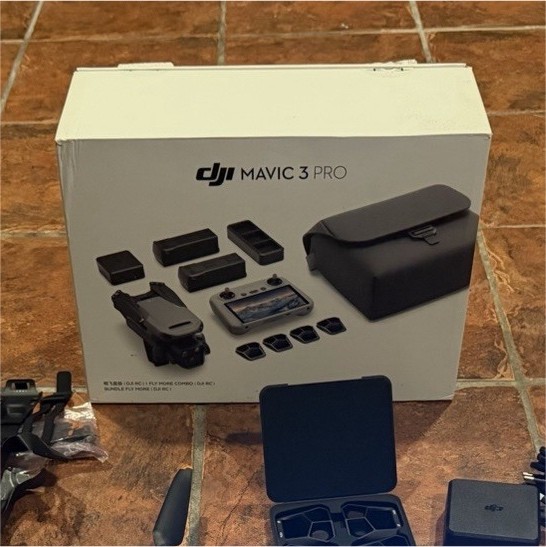
As of 2026, the demand for drones in photography has surged, driven by advancements in camera technology and increased accessibility for enthusiasts and professionals alike. A good drone for photography typically features high-resolution cameras, stable flight capabilities, and user-friendly controls. In this competitive landscape, the top picks include models like the Autel EVO Lite+, which boasts impressive image quality and battery life, and the DJI Mavic 3 Pro, known for its portability and advanced features. Each model on our list offers unique strengths, catering to various photography needs and preferences.
Nasıl Sıralıyoruz
Our ranking methodology for drones considers several critical dimensions, including camera quality, flight stability, battery life, ease of use, and overall value for money. Each dimension is weighted based on its importance to photography, ensuring that the best-performing models are highlighted. For instance, camera quality has a significant impact on the final score, reflecting its crucial role in capturing stunning images. We exclude irrelevant SKUs that do not meet our criteria for photography, allowing us to focus solely on models that provide exceptional performance in this specific area.
Our top pick with a score of 40/100. The Autel EVO Lite leads the pack with well-rounded performance at $949.
Fiyat72
Performans35
Batarya35
Tasarım49
A strong runner-up scoring 34/100 at $1499. Nearly matches our top pick and may suit different budgets or preferences.
Fiyat53
Performans35
Batarya35
Tasarım25
Best value on this list. The Intel Drone 4K Dual Camera delivers 50/100 at $169 — solid performance without the premium price tag.
Fiyat99
Performans35
Batarya40
Tasarım86
Sık Sorulan Sorular
What features should I look for in a drone for photography?
When choosing a drone for photography, consider factors such as camera resolution, gimbal stabilization, flight time, and range. A higher resolution camera, typically 4K or above, will yield better image quality. Additionally, a 3-axis gimbal helps stabilize the camera during flight, resulting in clearer photos. Battery life is crucial as well, as longer flight times allow for more shooting opportunities.
How does the Autel EVO Lite+ compare to the Autel EVO II Pro?
The Autel EVO Lite+ offers a larger sensor and better low-light performance than the EVO II Pro, making it ideal for capturing high-quality images in various lighting conditions. However, the EVO II Pro features a more robust set of professional-grade features, including 6K video recording and a longer flight time. Choosing between the two depends on whether you prioritize image quality or advanced filming capabilities.
Are there budget-friendly alternatives to the top drones listed?
Yes, there are budget-friendly alternatives available, such as the Holy Stone HS720 or the Potensic D80. While these models may not offer the same level of camera quality or flight stability as the top picks, they can still provide decent performance for casual photographers or those just starting with drone photography. It's essential to avoid models with low battery life and poor camera specifications.
What is the significance of gimbal stabilization in drones?
Gimbal stabilization is crucial in drones as it helps to keep the camera steady during flight, reducing the impact of wind and drone movement on image quality. A 3-axis gimbal, which allows for stabilization along three different axes, provides the best results for smooth and clear photos and videos. Without adequate stabilization, your footage may appear shaky, detracting from the overall quality of your photography.
Reviewed by VersusMatrix Editorial Team
Last updated: April 29, 2026
Methodology: AI-powered analysis of technical specifications from manufacturer data. Scores are calculated by comparing products across multiple dimensions and normalized relative to the full category database. Our editorial process is independent and not influenced by affiliate partnerships.