

PC Components Buying Guide
CPU socket: Intel vs AMD longevity
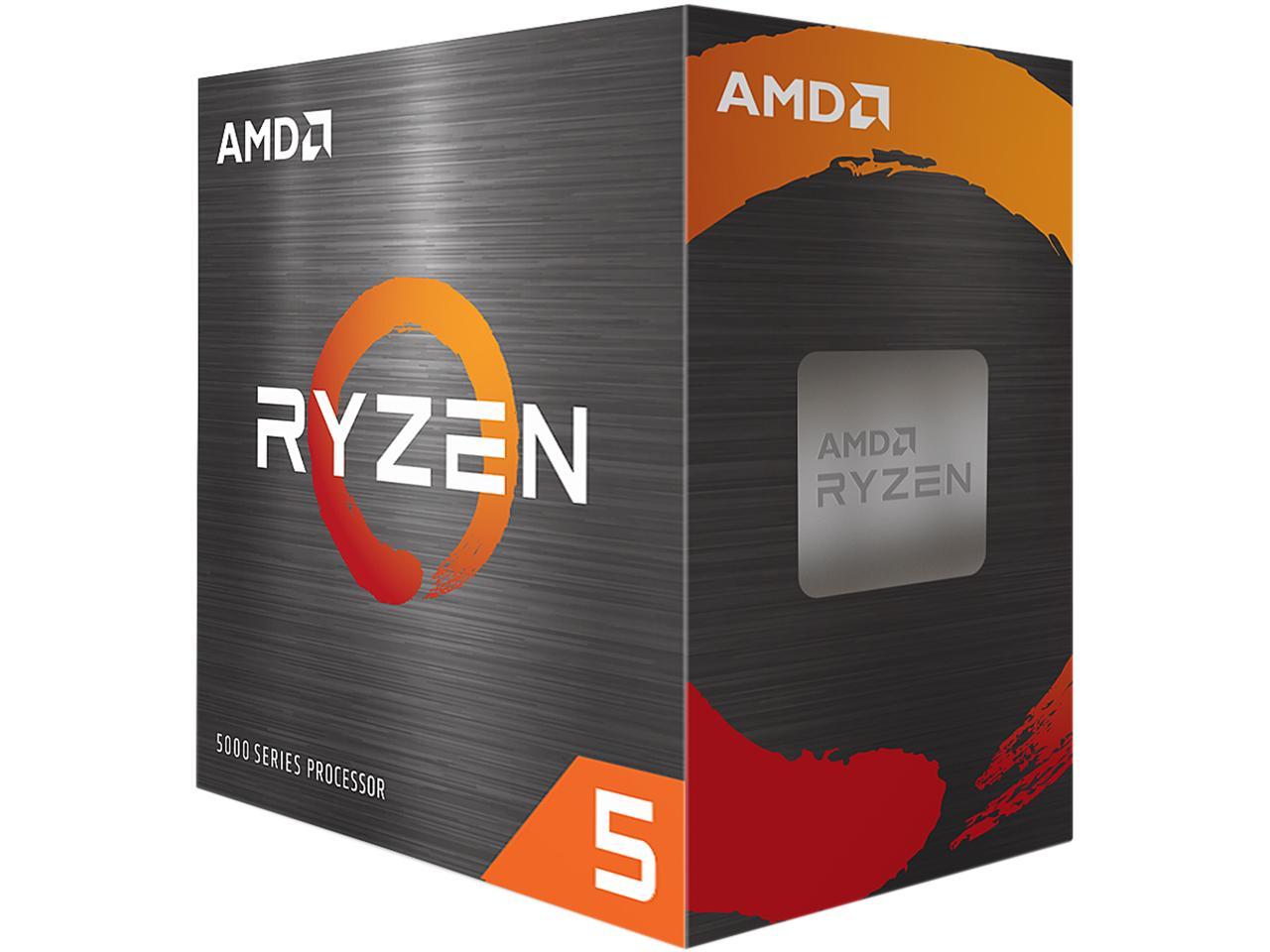
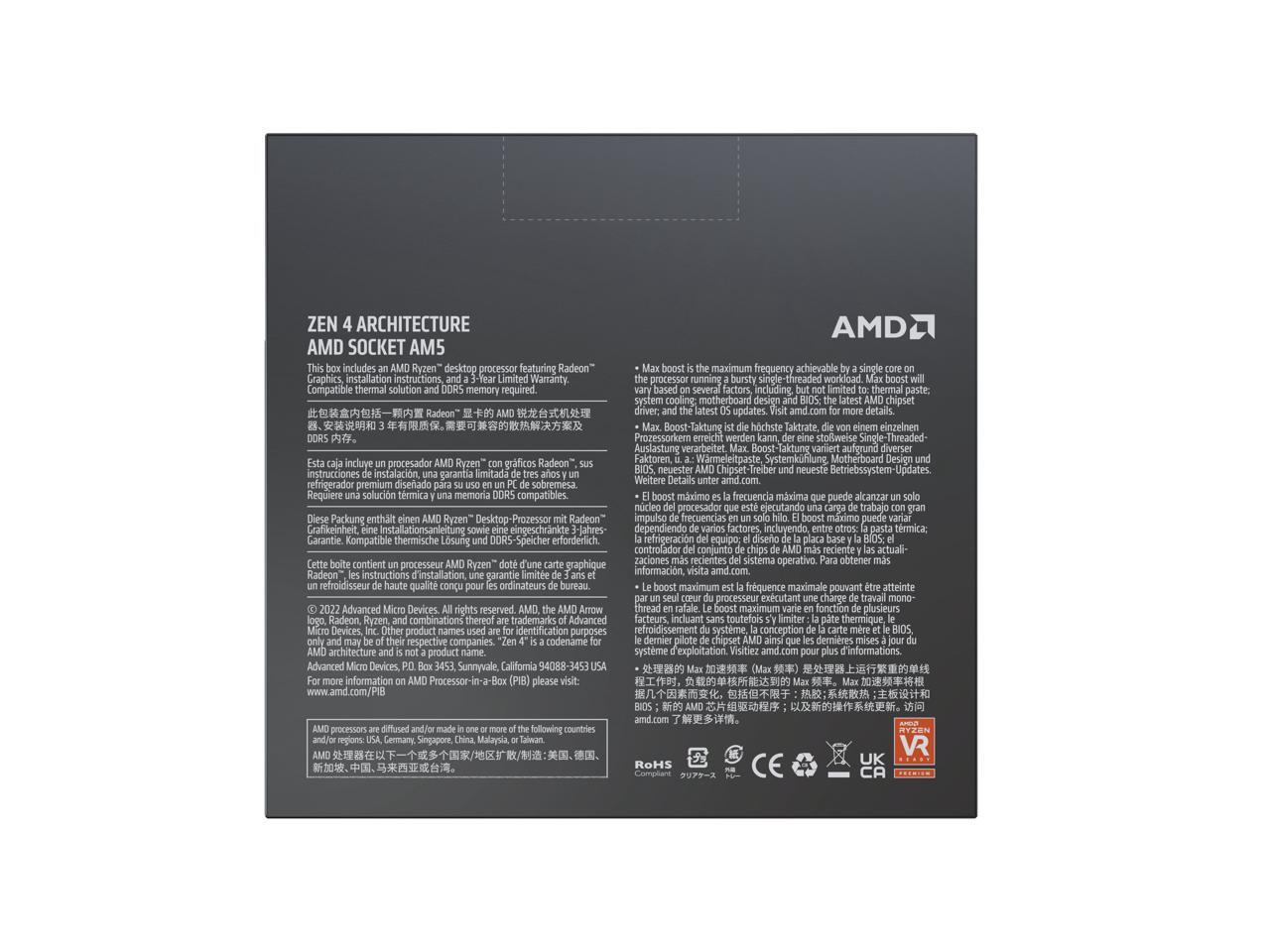
Intel LGA 1700: supported through 2025, new systems moving to Arrow Lake (2024+). AMD AM5: supported through 2027+. AM5 offers longer upgrade path — more future CPUs compatible with motherboard already purchased. For future-proofing, AM5 (Ryzen 5/7) is a stronger platform than aging Intel sockets.
RAM: DDR5 vs DDR4 value
DDR5: 10-15% gaming performance uplift over DDR4, requires expensive new motherboards. DDR4: mature platform, cheaper RAM, sufficient for current gaming. Gaming improvement is minimal — DDR4 remains excellent value. DDR5 makes sense if building from scratch; upgrading DDR4 to DDR5 rarely justifies the cost.
SSD: NVMe vs SATA speed tradeoff
NVMe (M.2): 3,500-7,000 MB/s read, universal on new systems. SATA SSD: 550 MB/s, older but still viable. For OS and gaming: NVMe is non-negotiable in 2026. For archival/media storage, SATA SSD still works cheaply.
Power supply headroom
GPU TDP + CPU TDP + 20% headroom = required wattage. RTX 5090 (575W) + Ryzen 9 (170W) = 745W, so 1000W PSU needed. Oversizing PSU is cheap insurance (better efficiency, quieter operation at lower loads). Buy 80+ Gold or Platinum rated PSU — better efficiency saves on electricity costs.
Cooling solutions: air vs liquid
Air: quieter, cheaper, simpler, no leaks. Liquid: better cooling, aesthetically impressive, requires maintenance. For most CPUs, air cooling is sufficient. Liquid cooling is overkill for base gaming; useful for extreme overclocking.
Preguntas Frecuentes — PC Components
What are the best PC Components to buy in 2026?
We have ranked 47 PC Components models using our AI scoring engine. Each product is evaluated across 3 key dimensions: Price (40%), Performance (35%), Battery (25%). Our top-rated pick leads in overall weighted score — click any product to see the full spec breakdown and head-to-head comparisons.
What specs matter most when choosing PC Components?
The most important factor is price, which carries 40% of the total score in our ranking. Other key dimensions include performance, battery. Use our sorting and filtering tools to prioritize what matters to you.
How does VersusMatrix score PC Components?
Each pc components product is scored across 3 weighted dimensions: Price (40%), Performance (35%), Battery (25%). We extract technical specifications from manufacturer data and normalize scores relative to every product in the category. Price carries the highest weight at 40% (lower is better). All scores are recalculated when new products are added to ensure fair, up-to-date rankings.
How do I choose the right PC Components for my needs?
Start by setting your budget using the price segment filters (Budget, Mid-Range, Premium). Then sort by the dimension that matters most to you — whether that is price, performance, battery, or overall score. Click any product for the full specification table and use the "Compare" feature to see two products side by side.
Which PC Components brand is best in 2026?
Use the brand filter on this page to browse top PC Components brands. Rankings depend on which dimensions you value most. Each brand subpage shows all models sorted by our expert score, so you can compare within a single brand or across multiple brands.
Are budget PC Components worth buying?
Budget PC Components can offer excellent value. Our scoring engine includes a price-to-performance ratio dimension, so affordable products that punch above their weight will rank well. Use the "Budget" segment filter to see the top-scoring options at lower price points, then compare them against premium models to see exactly what trade-offs you would be making.