Updated 2026
In 2026, the landscape of travel smartphones is shaped by the need for durability, battery life, camera quality, and connectivity. Travelers require devices that can withstand various environments while providing reliable performance and excellent photography capabilities for capturing memories. The best smartphones for travel not only offer robust features but also prioritize portability and ease of use. Among the top picks for this year, the Samsung Galaxy S25 Ultra 5G stands out with its superior camera and battery life, closely followed by the Apple iPhone 17 Pro Max, which combines performance with a user-friendly interface. Each of these devices has been carefully evaluated to meet the demands of modern travelers.
Our ranking methodology for smartphones considers several key dimensions to ensure a comprehensive evaluation. We weigh performance, including processing power and RAM, at 30%, followed by camera quality, which accounts for 25%. Battery life is also crucial, contributing 20% to the score, while durability and design make up 15%. Finally, user experience, including software updates and interface usability, is weighted at 10%. We exclude irrelevant SKUs to focus solely on devices that meet our criteria for travel efficiency, ensuring that every recommendation is relevant and reliable.

Our top pick with a score of 78/100. The Samsung Galaxy S25 Ultra 5G leads this list with its 200MP camera at $1299 — the strongest all-around choice in this category.
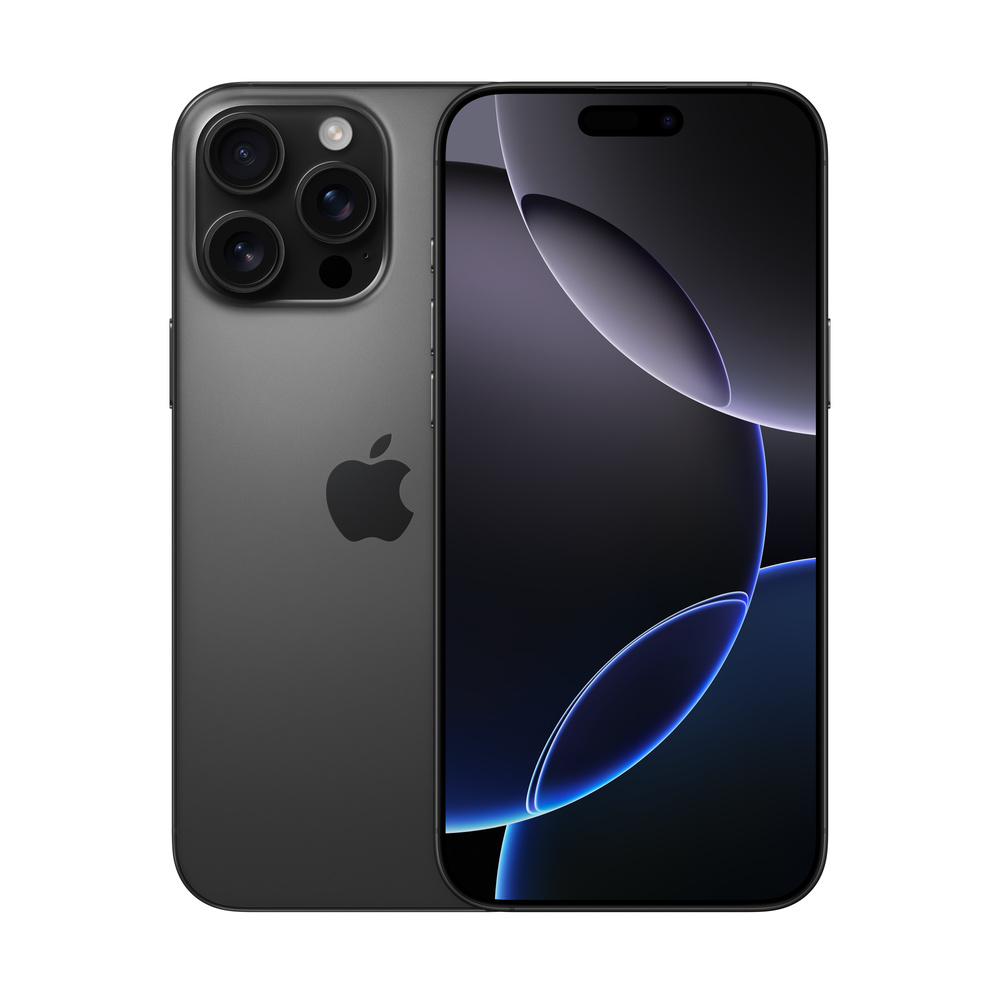
A strong runner-up with 78/100 at $1199. The Apple iPhone 17 Pro Max closely matches our #1 pick at a competitive price point and may be preferable depending on your specific priorities.
Best value pick on this list at $749.99. The Samsung Galaxy S25 Plus scores 81/100 — compelling value and delivers strong performance without the premium price of higher-ranked models.
A strong alternative with 8GB RAM, scoring 60/100 at $1199. Worth considering if the top three don't fit your budget or requirements.
Rounds out the top five with 78/100 at $512.99. The Samsung Galaxy S25 Edge is a reliable option with 3900mAh capacity for buyers who want a proven model at this tier.
Ranked #6 with 60/100 at $1099 — features 48MP camera.
Ranked #7 with 76/100 at $799 — features 50MP camera.
Ranked #8 with 64/100 at $449 — features 108MP camera.
Ranked #9 with 75/100 at $265 — features 50MP camera.
Ranked #10 with 63/100 at $1299 — features 200MP camera.
In-depth, hand-written buyer guides for the top picks on this list — honest pros, cons, and who each is really for.
When choosing a travel smartphone, consider features such as battery life, camera quality, and durability. Long battery life is essential for extended trips without access to charging, while a high-quality camera is important for capturing travel moments. Additionally, look for devices that are water and dust resistant to withstand different environments.
The Samsung Galaxy S25 Ultra 5G offers an impressive camera system with advanced zoom capabilities and longer battery life, scoring 7.7/10. In contrast, the Apple iPhone 17 Pro Max, with a score of 7.4/10, excels in user experience and software integration. Both devices are excellent for travel, but the choice may depend on personal preference for Android or iOS ecosystems.
Yes, there are budget-friendly alternatives available, such as the Google Pixel 7a and the Samsung Galaxy A54. While these models may lack some high-end features, they still provide solid performance and good camera quality for travelers on a budget. Look for devices that offer a good balance of features and price to ensure they meet your travel needs without breaking the bank.
Battery life is critical in a travel smartphone because it directly impacts how long you can use the device without needing to recharge. Long-lasting battery life allows for extended use during travel days, especially when accessing maps, taking photos, or staying connected. A smartphone with a good battery can enhance your travel experience by reducing the anxiety of running out of power.
Reviewed by VersusMatrix Editorial Team
Last updated: April 29, 2026
Methodology: AI-powered analysis of technical specifications from manufacturer data. Scores are calculated by comparing products across multiple dimensions and normalized relative to the full category database. Our editorial process is independent and not influenced by affiliate partnerships.