Best Smartphones with Long Battery Life 2026
Updated 2026
In 2026, the smartphone market continues to evolve, with battery life becoming a critical factor for consumers. As users rely more on their devices for daily tasks, long-lasting battery performance is essential. A good smartphone today not only offers impressive specifications and features but also ensures that users can go about their day without constantly searching for a charger. The top picks in this list, including the Samsung Galaxy S25 Ultra 5G and the Apple iPhone 17 Pro Max, exemplify the balance of performance and endurance that modern users expect. These devices stand out due to their advanced battery technologies and efficient power management systems, making them suitable choices for anyone prioritizing longevity in their smartphone experience.
How We Rank
Our ranking methodology for smartphones focuses on several key dimensions, including battery life performance, overall device efficiency, user reviews, and real-world testing results. Each smartphone is scored based on how well it meets these criteria, with battery life accounting for a significant portion of the final score. We also consider factors such as charging speed and battery capacity. By concentrating on relevant features, we ensure our rankings reflect only the most pertinent devices, excluding models that do not meet our established benchmarks for long battery life.
Our top pick with a score of 78/100. The Samsung Galaxy S25 Ultra 5G leads this list with its 200MP camera at $1299 — the strongest all-around choice in this category.
Price14
Performance100
Battery75
Design27
A strong runner-up with 78/100 at $1199. The Apple iPhone 17 Pro Max closely matches our #1 pick at a competitive price point and may be preferable depending on your specific priorities.
Price21
Performance94
Battery67
Design18
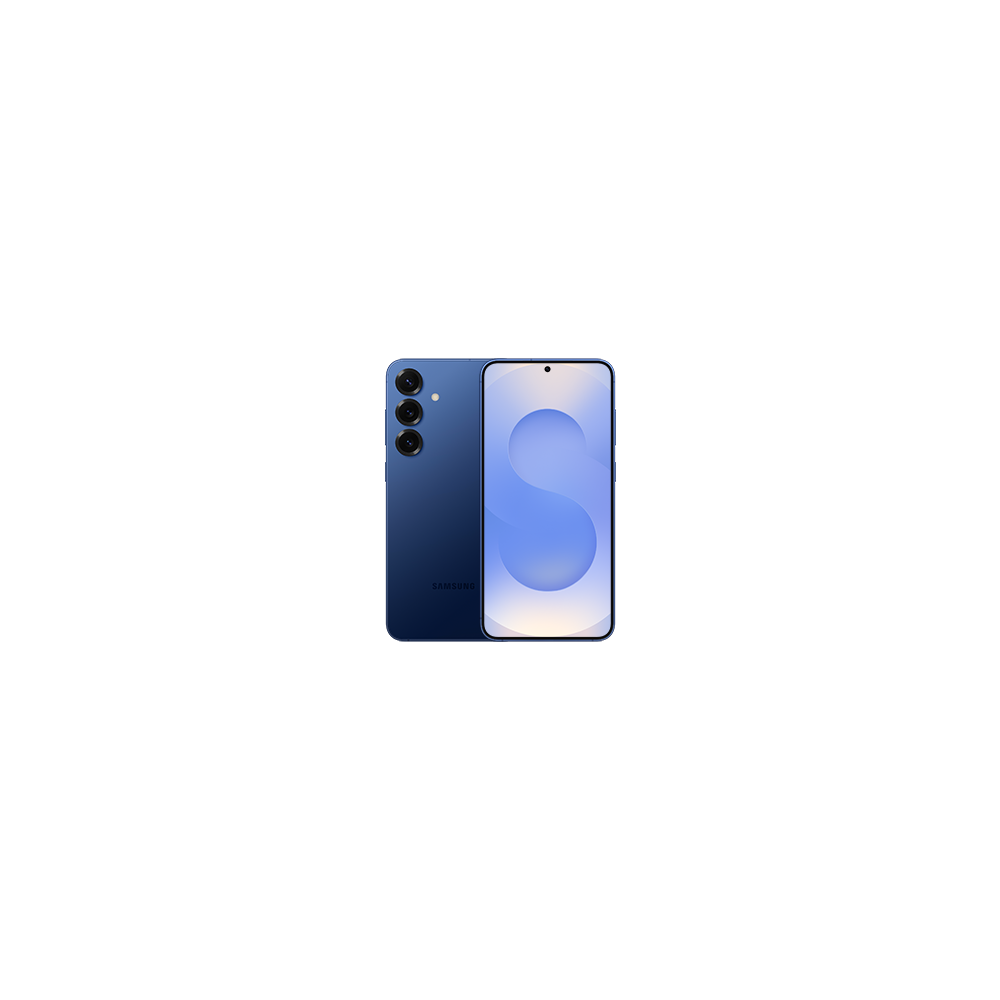
Best value pick on this list at $749.99. The Samsung Galaxy S25 Plus scores 81/100 — compelling value and delivers strong performance without the premium price of higher-ranked models.
Price53
Performance100
Battery73
Design50
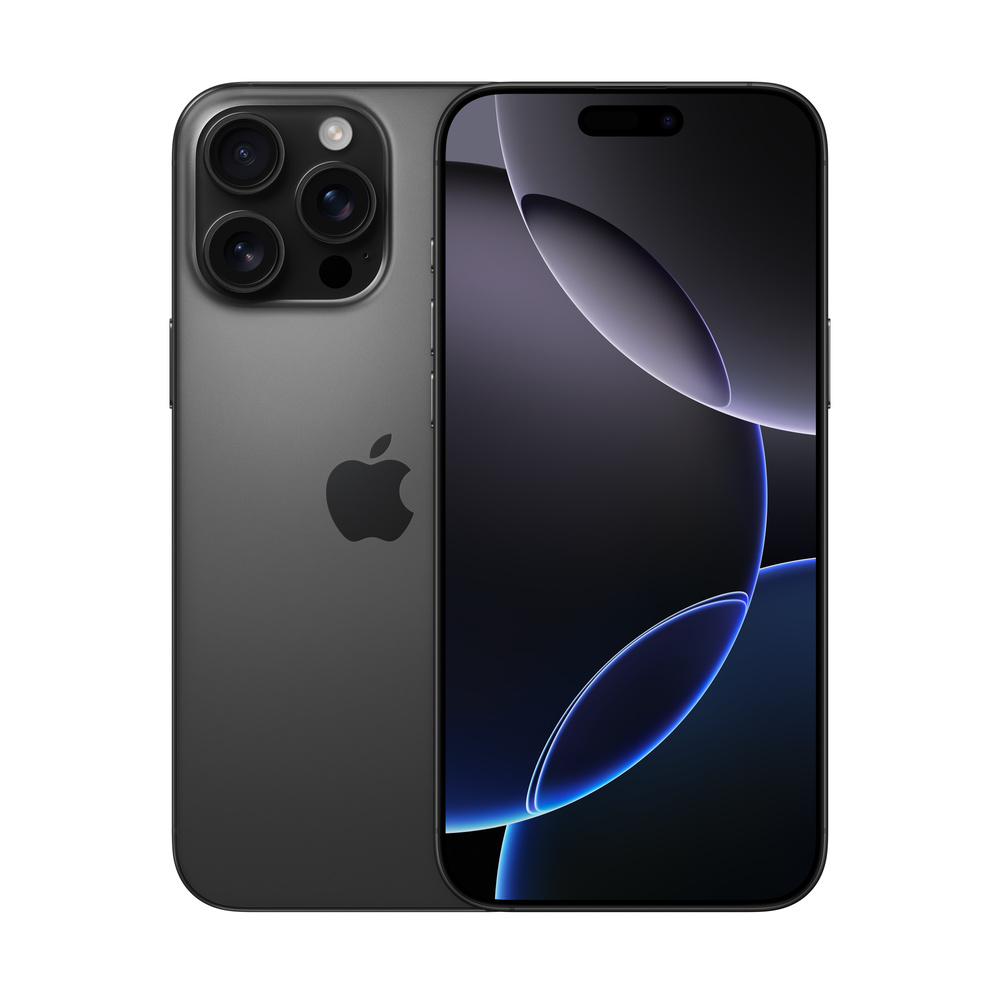
A strong alternative with 8GB RAM, scoring 60/100 at $1199. Worth considering if the top three don't fit your budget or requirements.
Price21
Performance86
Battery67
Design19
Rounds out the top five with 78/100 at $512.99. The Samsung Galaxy S25 Edge is a reliable option with 3900mAh capacity for buyers who want a proven model at this tier.
Price70
Performance100
Battery48
Design73
Ranked #6 with 60/100 at $1099 — features 48MP camera.
Price28
Performance94
Battery47
Design43
Ranked #7 with 76/100 at $799 — features 50MP camera.
Price49
Performance94
Battery50
Design69
Ranked #8 with 64/100 at $449 — features 108MP camera.
Price74
Performance56
Battery75
Design51
Ranked #9 with 75/100 at $265 — features 50MP camera.
Price87
Performance94
Battery50
Design69
Ranked #10 with 63/100 at $1299 — features 200MP camera.
Price14
Performance56
Battery75
Design18
Should you buy these?
In-depth, hand-written buyer guides for the top picks on this list — honest pros, cons, and who each is really for.
Frequently Asked Questions
What is the average battery life of the top smartphones in this list?
The average battery life of the top smartphones listed, such as the Samsung Galaxy S25 Ultra 5G, is around 12-15 hours of typical usage. This includes activities like browsing, video playback, and calls, which are representative of average daily use. Each device undergoes rigorous testing to determine its endurance under various conditions.
How does the Samsung Galaxy S25 Ultra 5G compare to the Apple iPhone 17 Pro Max in battery performance?
The Samsung Galaxy S25 Ultra 5G has a higher score of 7.7/10 compared to the Apple iPhone 17 Pro Max's 7.4/10, indicating better overall battery performance. Users have reported longer screen-on times and more efficient energy consumption with the Galaxy S25 Ultra, making it a preferable option for those needing extended use without frequent charging.
Are there budget alternatives with long battery life?
Yes, there are budget alternatives that offer decent battery life, like the Samsung Galaxy A54, which provides solid performance at a lower price point. However, buyers should be cautious of models that compromise on other essential features for the sake of battery life, as this can lead to a less satisfactory overall experience.
What features contribute to a smartphone's battery longevity?
Several features contribute to a smartphone's battery longevity, including battery capacity (measured in mAh), power-efficient processors, and software optimizations that manage background activity. Additionally, display technology, such as OLED screens, can also impact battery life positively by consuming less power when displaying darker images.
Reviewed by VersusMatrix Editorial Team
Last updated: April 29, 2026
Methodology: AI-powered analysis of technical specifications from manufacturer data. Scores are calculated by comparing products across multiple dimensions and normalized relative to the full category database. Our editorial process is independent and not influenced by affiliate partnerships.