Updated 2026
In 2026, the landscape of smartphones for business continues to evolve, focusing on performance, security, and productivity features. A good smartphone for business should offer robust processing power, extended battery life, and seamless integration with productivity tools. Security features such as biometric authentication and encrypted communication are also essential for protecting sensitive data. Our top picks include the Samsung Galaxy S25 Ultra 5G, which excels in processing capabilities and camera quality, and the Apple iPhone 17 Pro Max, known for its ecosystem and ease of use. Other notable options include the Samsung Galaxy S25 Plus and the Apple iPhone 16 Pro Max, both of which provide strong performance and reliability for business users.
Our ranking methodology for smartphones considers several key dimensions including performance, battery life, camera quality, software ecosystem, and security features. Each dimension is weighted based on its importance to business users, ensuring that devices that excel in core functionalities receive higher scores. Performance is assessed through processor speed and RAM, while battery life is evaluated based on real-world usage scenarios. We also consider software updates and security protocols in our ratings. By excluding irrelevant SKUs, we ensure that the list remains focused on models that meet the specific needs of business professionals.
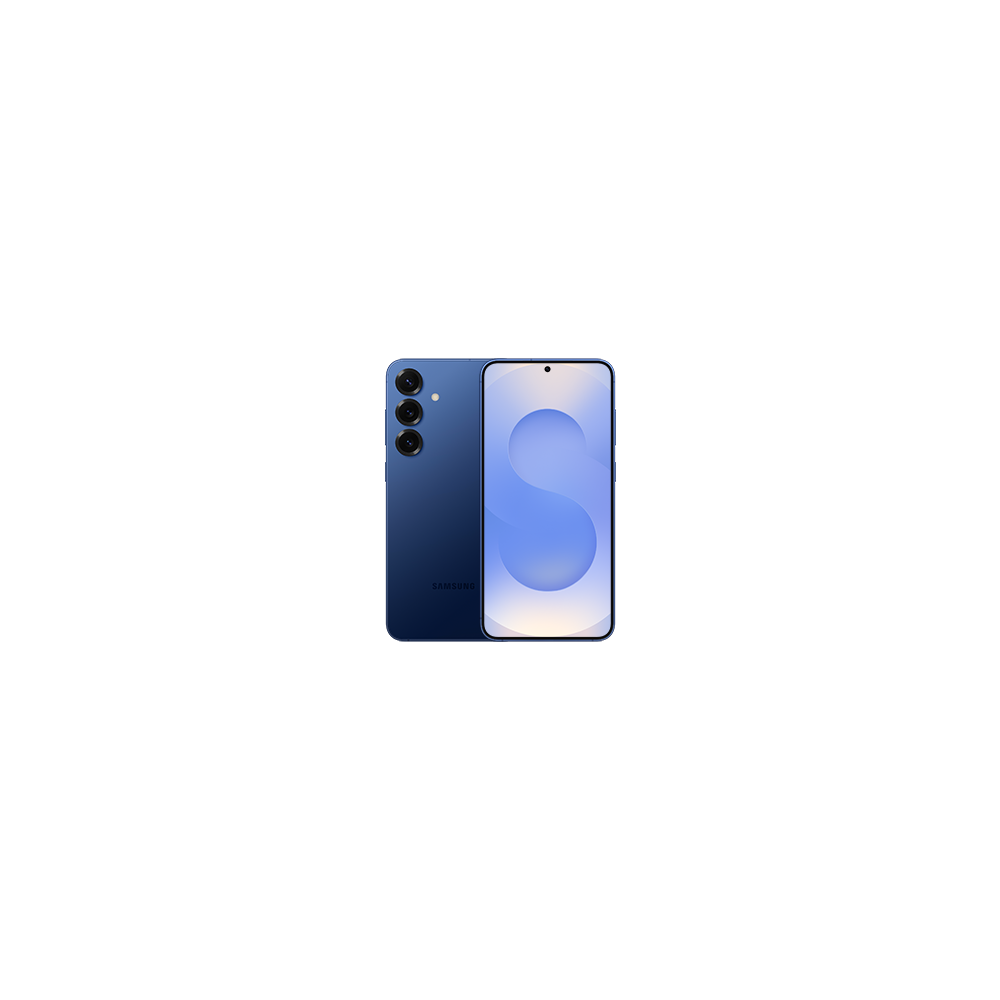
Our top pick with a score of 78/100. The Samsung Galaxy S25 Ultra 5G leads this list with its 200MP camera at $1299 — the strongest all-around choice in this category.
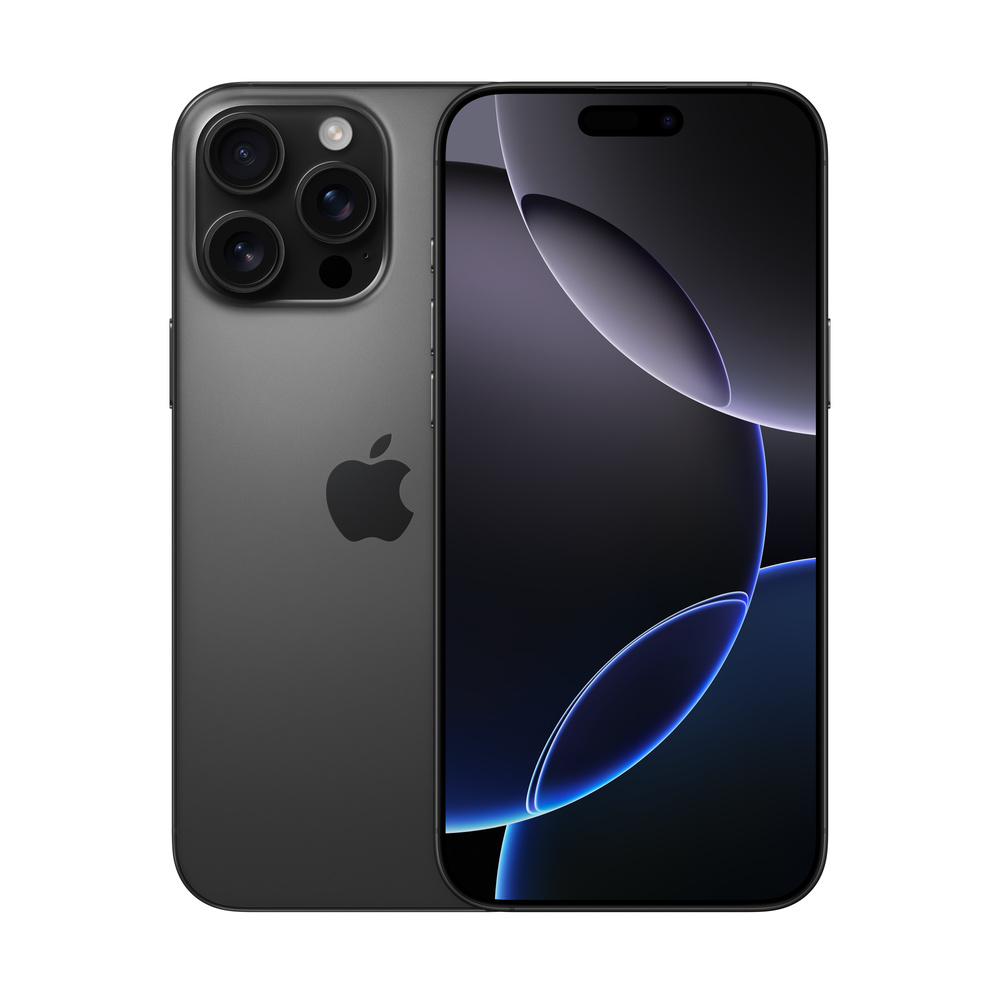
A strong runner-up with 78/100 at $1199. The Apple iPhone 17 Pro Max closely matches our #1 pick at a competitive price point and may be preferable depending on your specific priorities.
Best value pick on this list at $749.99. The Samsung Galaxy S25 Plus scores 81/100 — compelling value and delivers strong performance without the premium price of higher-ranked models.
A strong alternative with 8GB RAM, scoring 60/100 at $1199. Worth considering if the top three don't fit your budget or requirements.
Rounds out the top five with 60/100 at $1099. The Apple iPhone 17 Pro is a reliable option with 3890mAh capacity for buyers who want a proven model at this tier.
Ranked #6 with 78/100 at $512.99 — features 200MP camera.
Ranked #7 with 76/100 at $799 — features 50MP camera.
Ranked #8 with 63/100 at $1299 — features 200MP camera.
Ranked #9 with 64/100 at $449 — features 108MP camera.
Ranked #10 with 75/100 at $265 — features 50MP camera.
In-depth, hand-written buyer guides for the top picks on this list — honest pros, cons, and who each is really for.
When selecting a business smartphone, prioritize features such as processing power, battery life, security options, and compatibility with productivity apps. A good camera can also be beneficial for video conferencing and documentation. Additionally, consider devices that offer regular software updates and strong customer support.
The Samsung Galaxy S25 Ultra 5G scores higher in our rankings primarily due to its superior camera capabilities and performance metrics. It is equipped with a powerful processor and larger RAM, making it ideal for multitasking. In contrast, the Apple iPhone 17 Pro Max offers a robust software ecosystem and seamless integration with other Apple products, which may be more appealing for users already invested in that ecosystem.
Yes, while the top-ranked smartphones like the Samsung Galaxy S25 Ultra 5G and Apple iPhone 17 Pro Max are excellent choices, there are budget alternatives available. Models such as the Samsung Galaxy A54 or the Apple iPhone SE can offer solid performance at a lower price point, making them suitable for business users who require essential features without the premium cost.
Key security features to look for in a business smartphone include biometric authentication methods such as fingerprint scanners or facial recognition, encrypted communication capabilities, and regular security updates from the manufacturer. Additionally, devices that support mobile device management (MDM) solutions allow businesses to enforce security policies and remotely manage devices.
Reviewed by VersusMatrix Editorial Team
Last updated: April 29, 2026
Methodology: AI-powered analysis of technical specifications from manufacturer data. Scores are calculated by comparing products across multiple dimensions and normalized relative to the full category database. Our editorial process is independent and not influenced by affiliate partnerships.