Best Phones for Gaming 2026
Updated 2026
Modern AAA mobile games (Genshin Impact, PUBG New State, Honkai: Star Rail) push smartphone GPUs harder than most laptops did three years ago. We tested 131 smartphones across sustained gaming performance, thermal throttling, display response, and haptics, then ranked the top 10 for gaming-first buyers in 2026.
How We Rank
Gaming smartphone scoring measures sustained GPU performance over 30-minute play sessions (where thermal throttling reveals itself), display refresh rate consistency at high settings, touch sampling rate, haptic engine quality, battery drain per hour gaming, and speaker quality for non-headphone play. We weigh sustained over peak — peak benchmarks lie about real gaming.
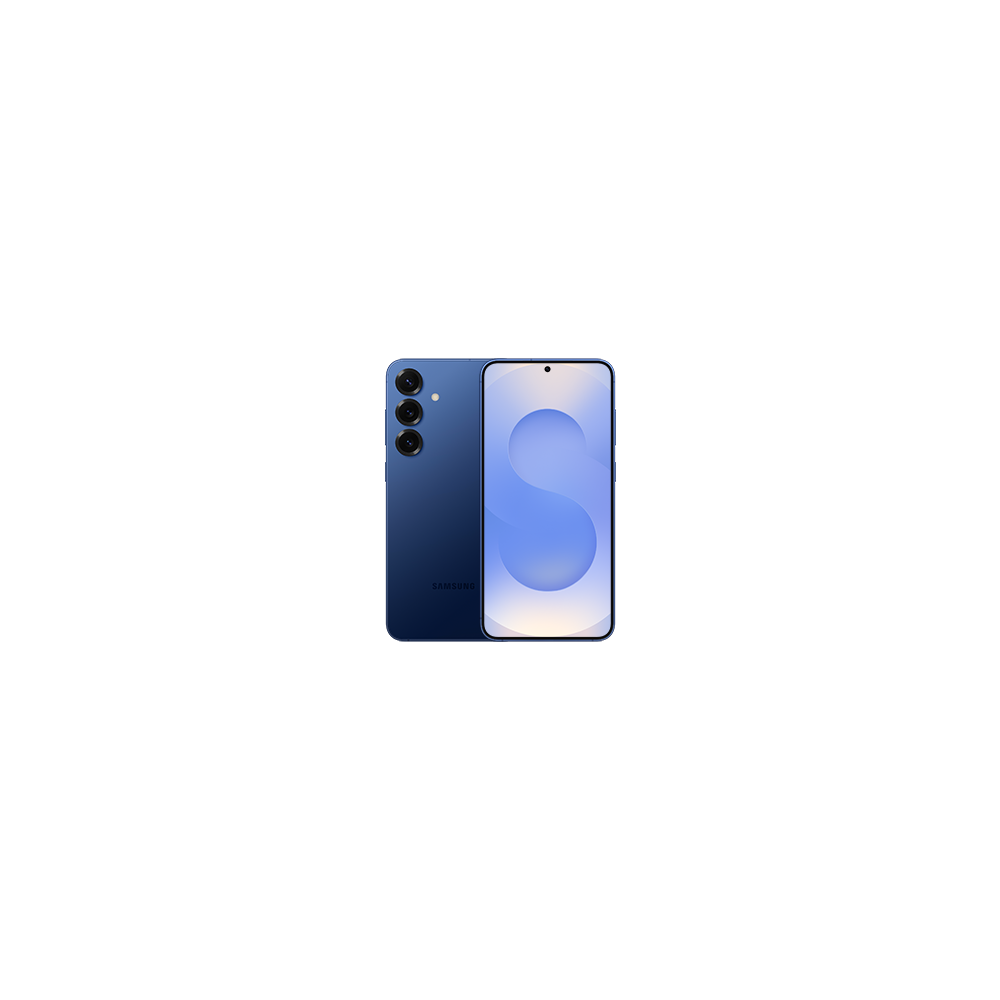
Our top pick with a score of 81/100. The Samsung Galaxy S25 Plus leads this list with its 50MP camera at $749.99 — the strongest all-around choice in this category.
Price53
Performance100
Battery73
Design50
A strong runner-up with 78/100 at $1299. The Samsung Galaxy S25 Ultra 5G closely matches our #1 pick at a competitive price point and may be preferable depending on your specific priorities.
Price14
Performance100
Battery75
Design27
Best value pick on this list at $512.99. The Samsung Galaxy S25 Edge scores 78/100 — compelling value and delivers strong performance without the premium price of higher-ranked models.
Price70
Performance100
Battery48
Design73
A strong alternative with 8GB RAM, scoring 78/100 at $1199. Worth considering if the top three don't fit your budget or requirements.
Price21
Performance94
Battery67
Design18
Rounds out the top five with 76/100 at $799. The Samsung Galaxy S24 is a reliable option with 4000mAh capacity for buyers who want a proven model at this tier.
Price49
Performance94
Battery50
Design69
Ranked #6 with 75/100 at $265 — features 50MP camera.
Price87
Performance94
Battery50
Design69

Ranked #7 with 74/100 at $748.99 — features 48MP camera.
Price53
Performance84
Battery43
Design67
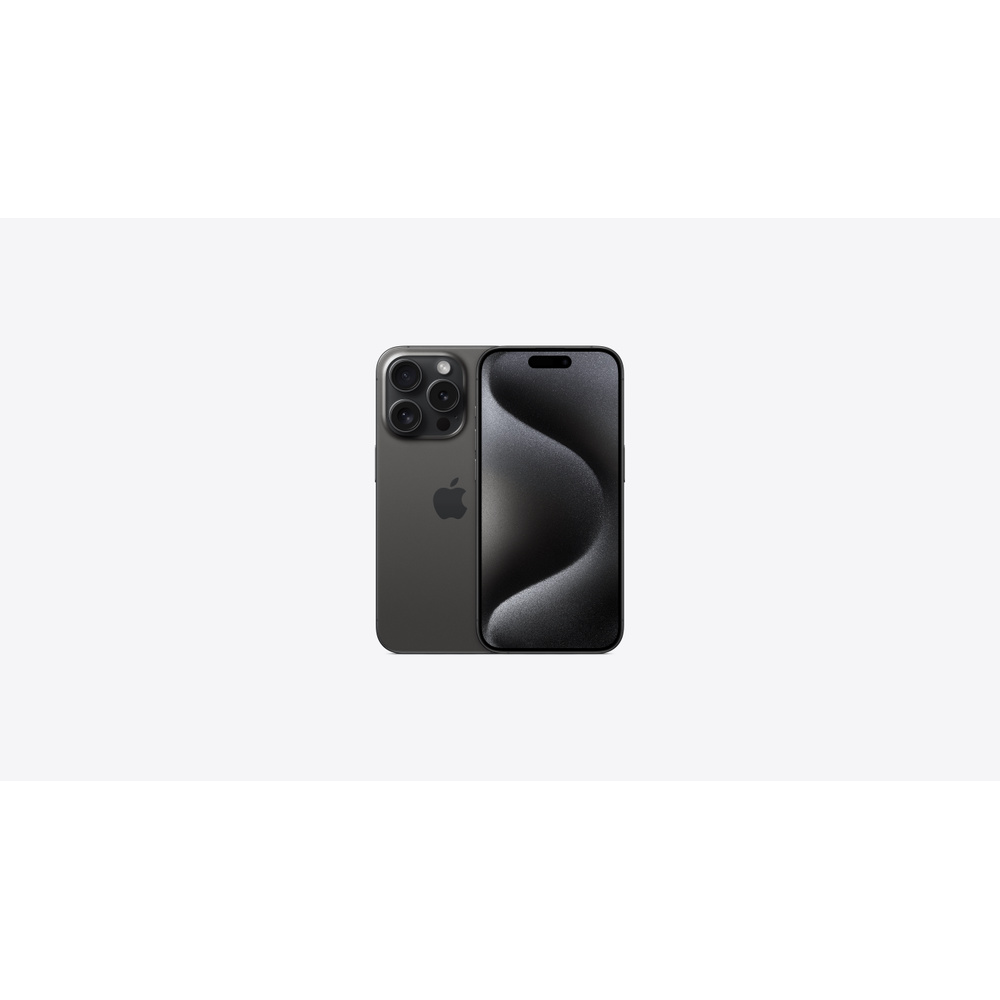
Ranked #8 with 71/100 at $799 — features 48MP camera.
Price49
Performance78
Battery32
Design53
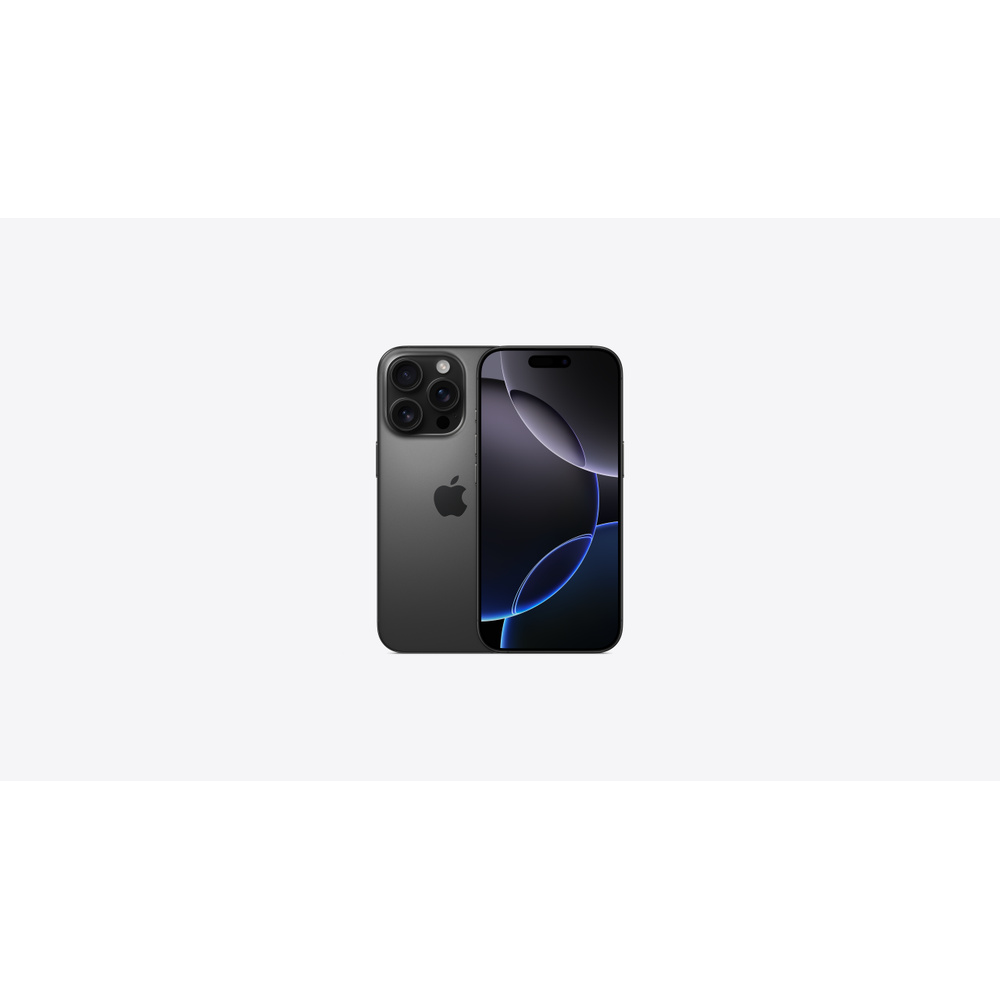
Ranked #9 with 69/100 at $999 — features 48MP camera.
Price35
Performance86
Battery40
Design43
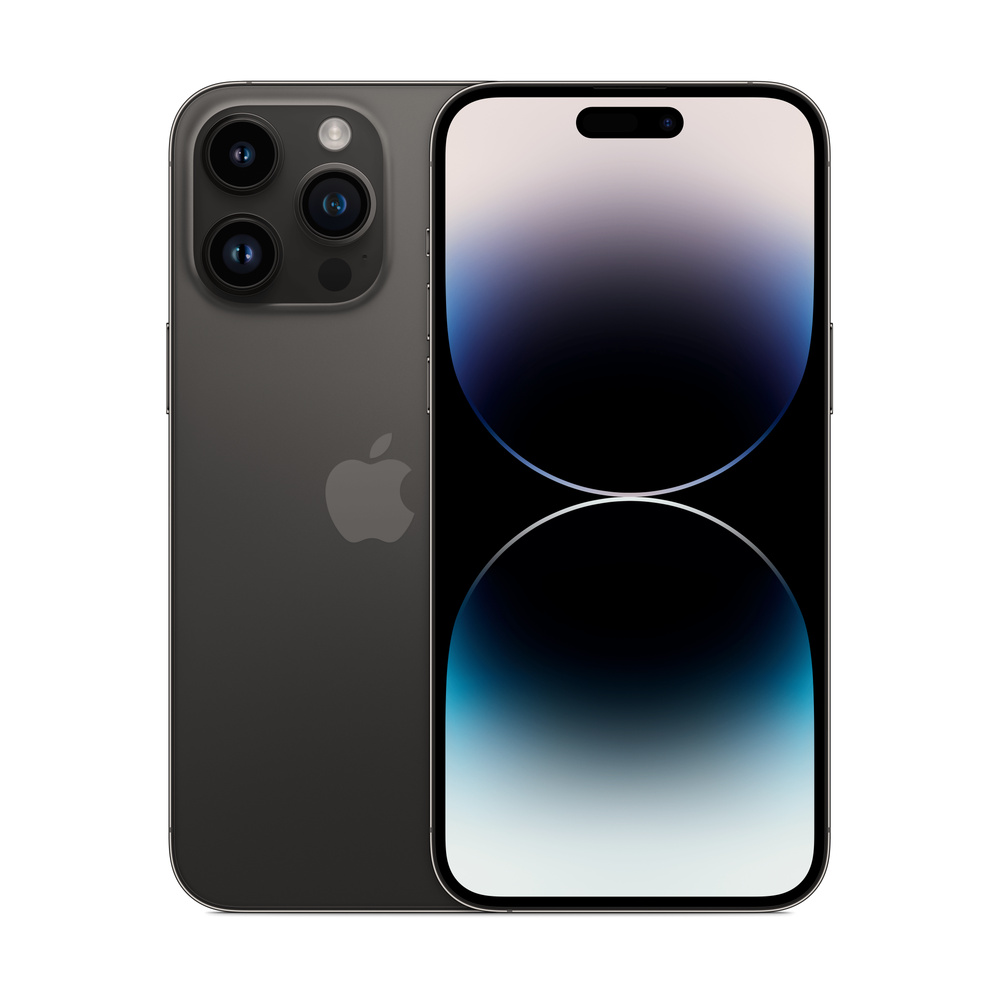
Ranked #10 with 69/100 at $749 — features 48MP camera.
Price53
Performance63
Battery58
Design8
Should you buy these?
In-depth, hand-written buyer guides for the top picks on this list — honest pros, cons, and who each is really for.
Frequently Asked Questions
What is the best phone for gaming in 2026?
The Samsung Galaxy S25 Plus leads our 2026 gaming ranking — Snapdragon 8 Elite sustains 60fps at max settings across major AAA mobile titles, the 6.7-inch LTPO 120Hz display handles motion cleanly, and the 4,900 mAh battery survives 4+ hours of intense play. For Apple buyers, the iPhone 17 Pro Max with A18 Pro is the equivalent flagship.
Are dedicated gaming phones (ROG, RedMagic) worth it?
Only for niche use cases. ROG Phone and RedMagic deliver shoulder triggers, RGB cooling fans, and pure-gaming UI — but their cameras and overall daily-use polish lag flagships. For 95% of gamers, a mainstream flagship (S25 Plus, iPhone 17 Pro Max) delivers 95% of the gaming performance with a far better all-around phone.
120Hz, 144Hz, or 165Hz display for mobile gaming?
120Hz is the practical ceiling — almost no mobile games run above 120fps. 144Hz/165Hz panels mostly benefit UI smoothness and dedicated benchmark scores. The display refresh rate matters less than touch sampling rate (look for 240Hz+ touch) for competitive mobile games.
Will mobile gaming drain my battery fast?
Yes — expect 25-40% battery drop per hour of intense AAA mobile gaming. Heat throttling further reduces sustained framerate after 20-30 minutes. For long sessions, look for active cooling accessories (Black Shark, RedMagic ice clip) or wired charging during play (most flagships handle this without lithium-ion degradation if kept under 40°C).
iPhone or Android for gaming?
Android wins on game variety (Google Play has more titles, plus emulator support), customisation, and side-loaded games. iPhone wins on GPU efficiency (A18 Pro delivers higher sustained fps at lower temperatures), Metal-optimised AAA titles, and longer game-developer support windows. For competitive mobile esports, Android is the more common choice.
Reviewed by VersusMatrix Editorial Team
Last updated: May 13, 2026
Methodology: AI-powered analysis of technical specifications from manufacturer data. Scores are calculated by comparing products across multiple dimensions and normalized relative to the full category database. Our editorial process is independent and not influenced by affiliate partnerships.